
IPL Photofacial in Lafayette, LA
Uneven skin tone can develop gradually as sun exposure, visible vessels, and pigmentation changes become more noticeable over time. An IPL Photofacial in Lafayette, LA at Elle Medical & Aesthetics offers a customizable approach to addressing selected red and brown discoloration across broader areas of the skin.
Elle uses the Candela Nordlys® platform with Selective Waveband Technology, or SWT®, rather than standard broadband IPL. The treatment can be tailored according to whether pigmentation, redness, or a combination of concerns is present, helping create a more even-looking complexion without treating every type of discoloration the same way.

What Is an IPL Photofacial?
An IPL Photofacial is a light-based treatment used to address selected pigmentation and vascular concerns within the skin. Unlike a traditional laser that uses a single wavelength, intense pulsed light delivers pulses across selected wavelengths that can be absorbed by targets such as melanin in brown pigmentation and hemoglobin in visible vessels.
At Elle Medical & Aesthetics, IPL is performed with the Nordlys® system using SWT®. This technology filters out wavelengths that are not needed for the intended treatment, allowing light energy to be directed more selectively toward red and brown concerns.
Because IPL treats broader areas of discoloration rather than only one isolated spot, it can be especially helpful for patients who describe their complexion as blotchy, uneven, sun-damaged, or persistently red.
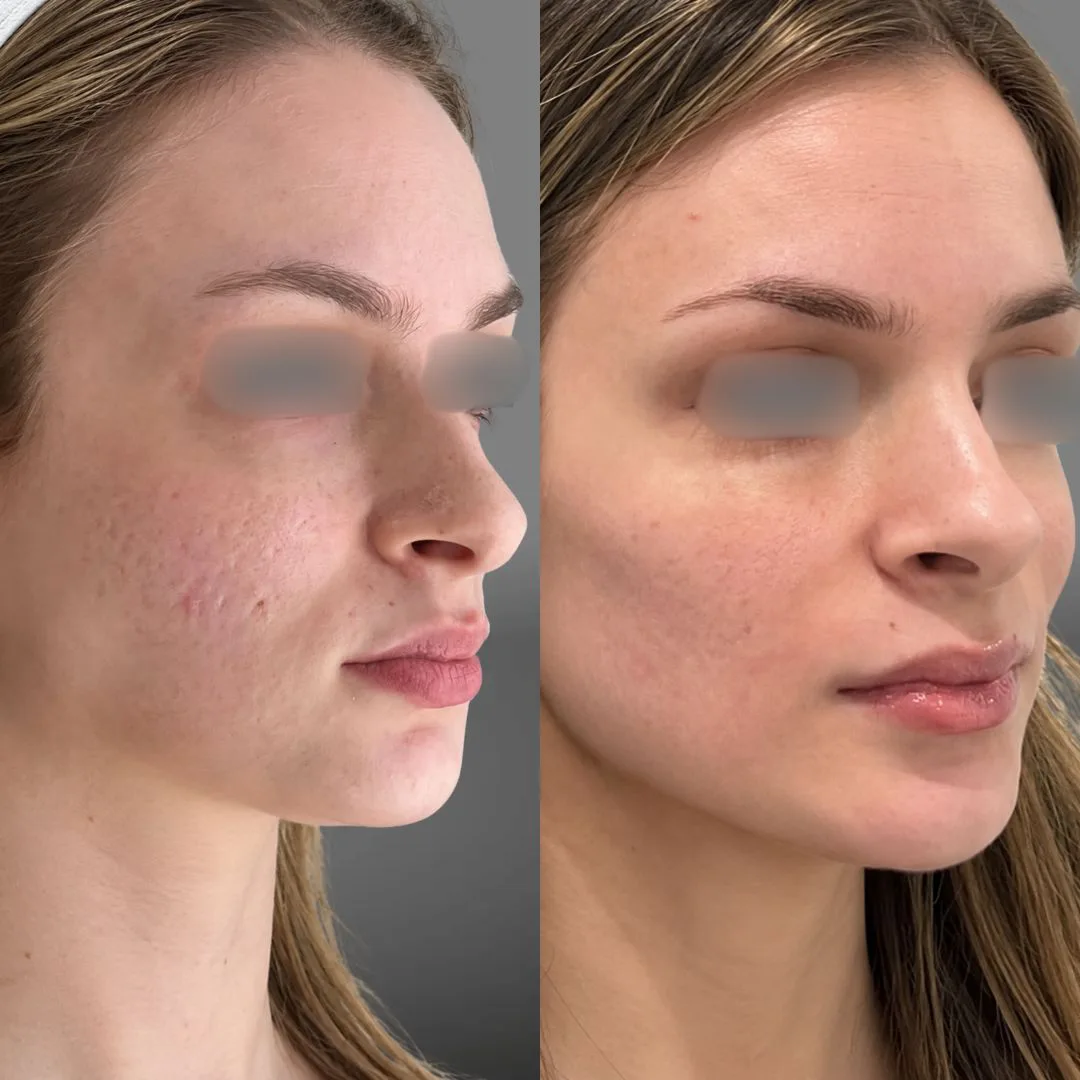
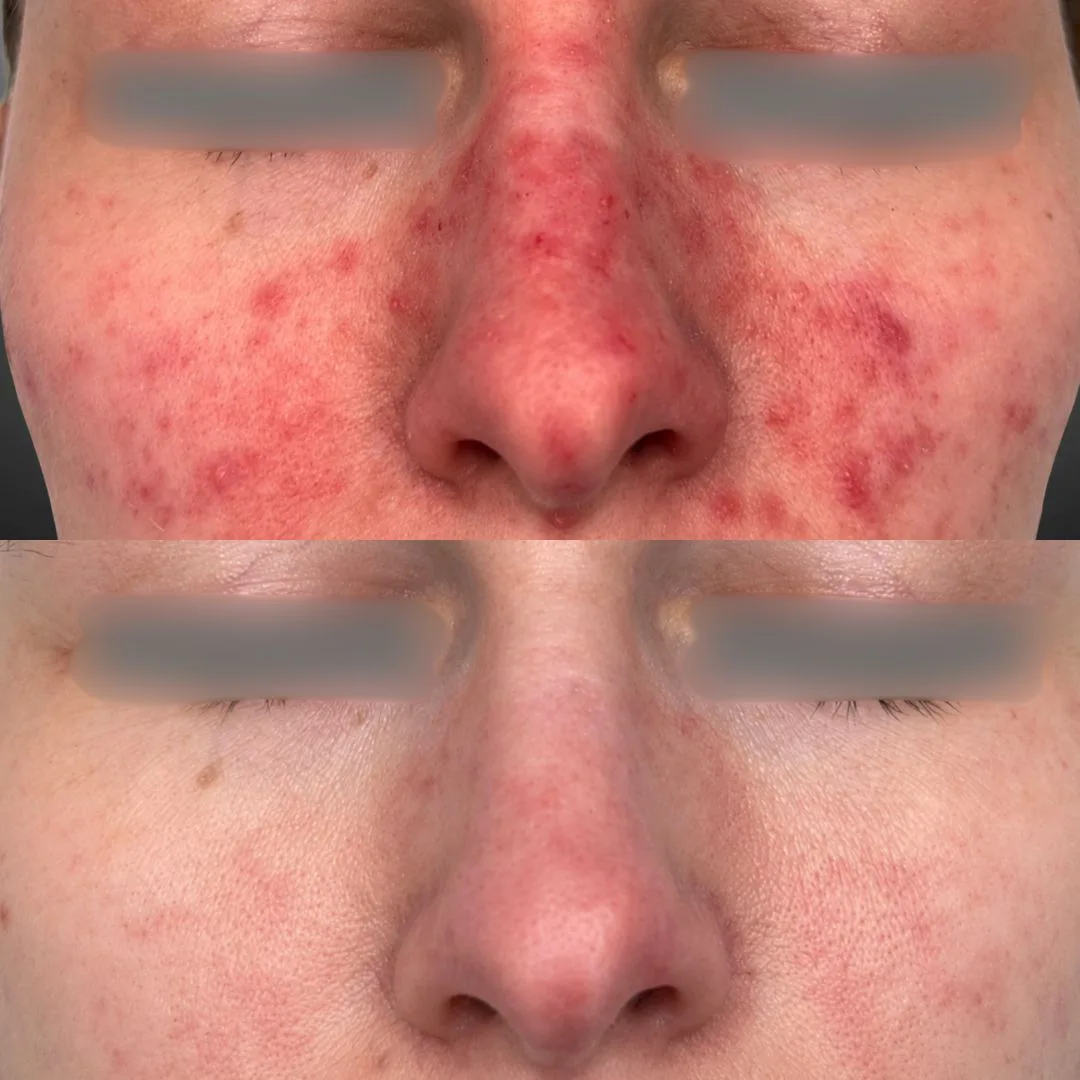
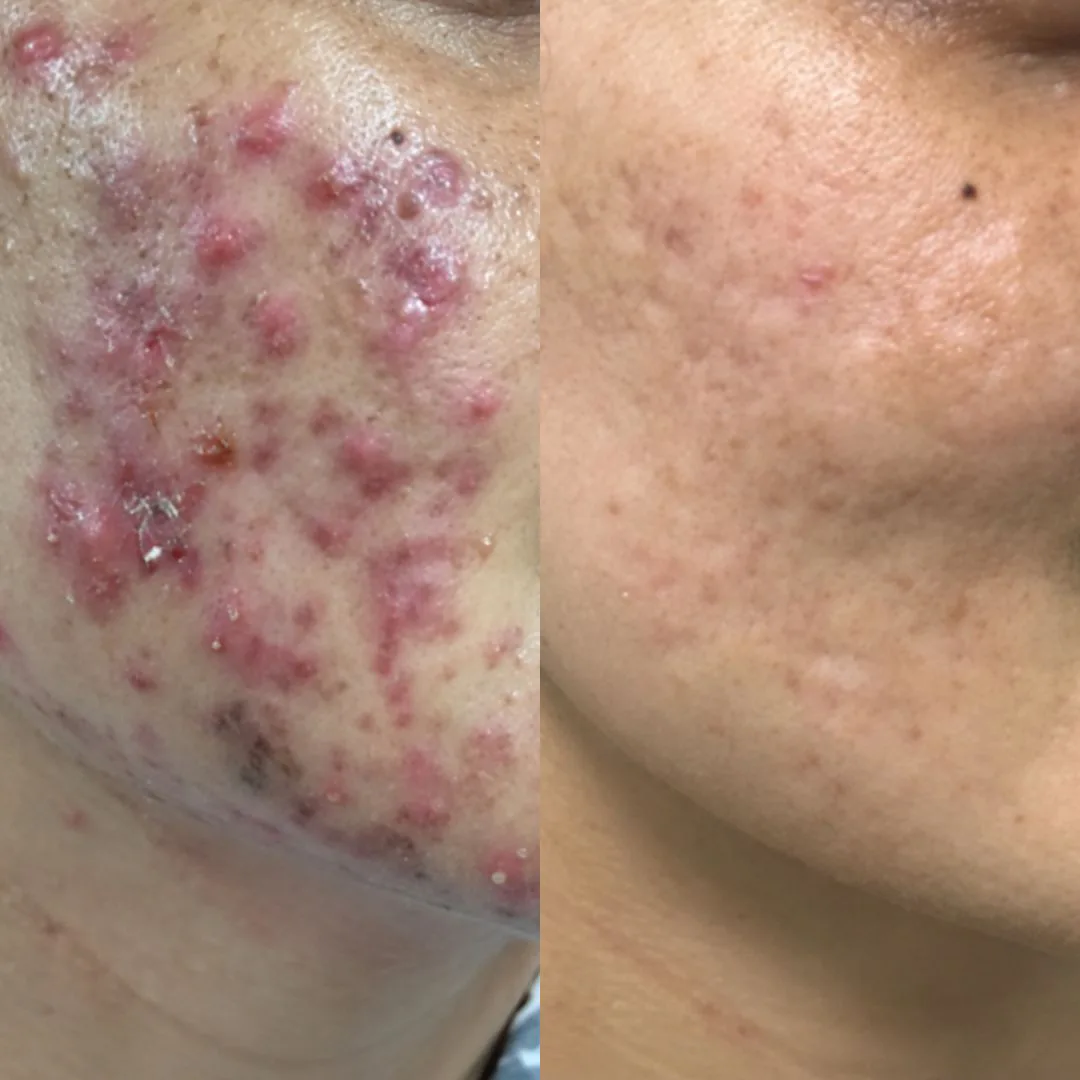
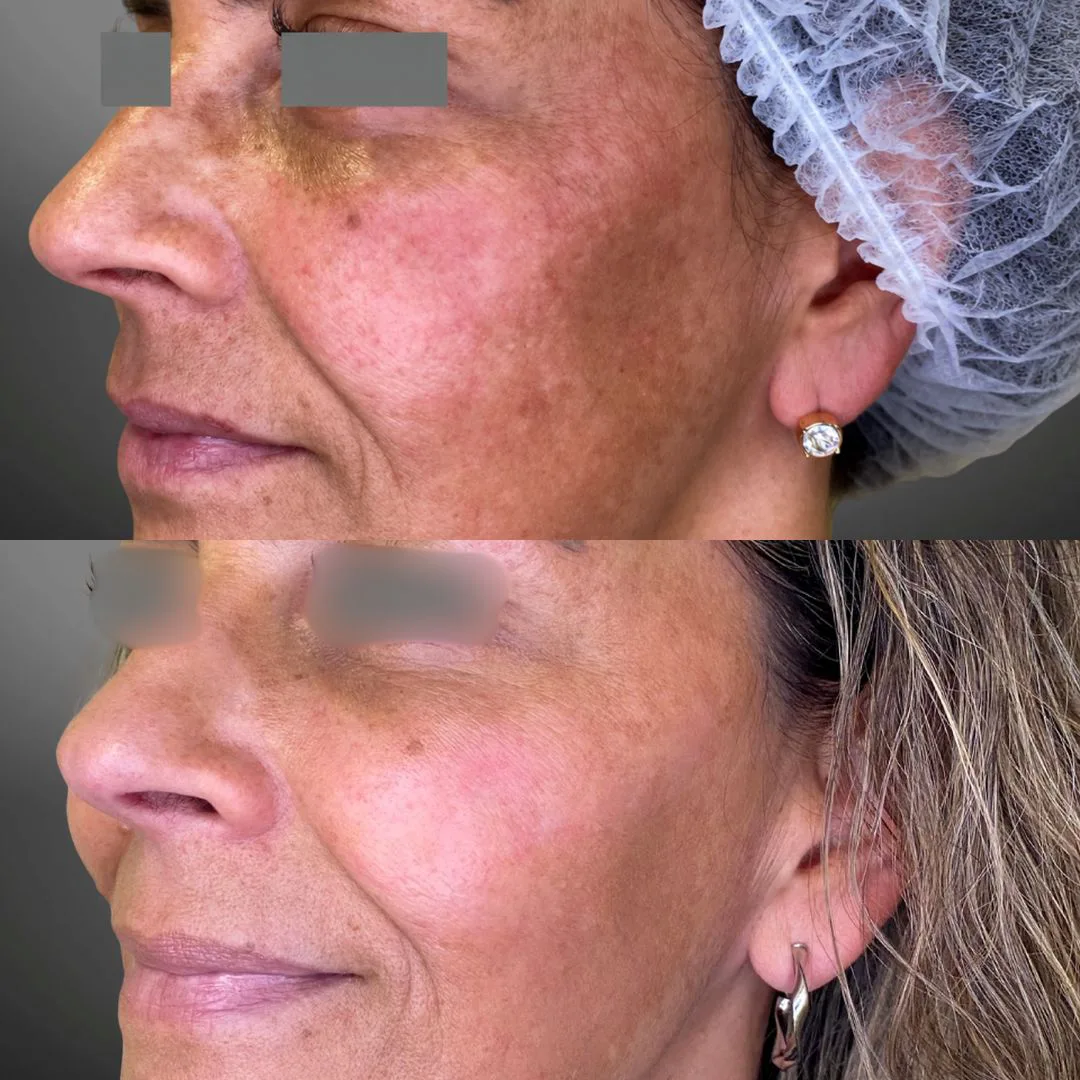
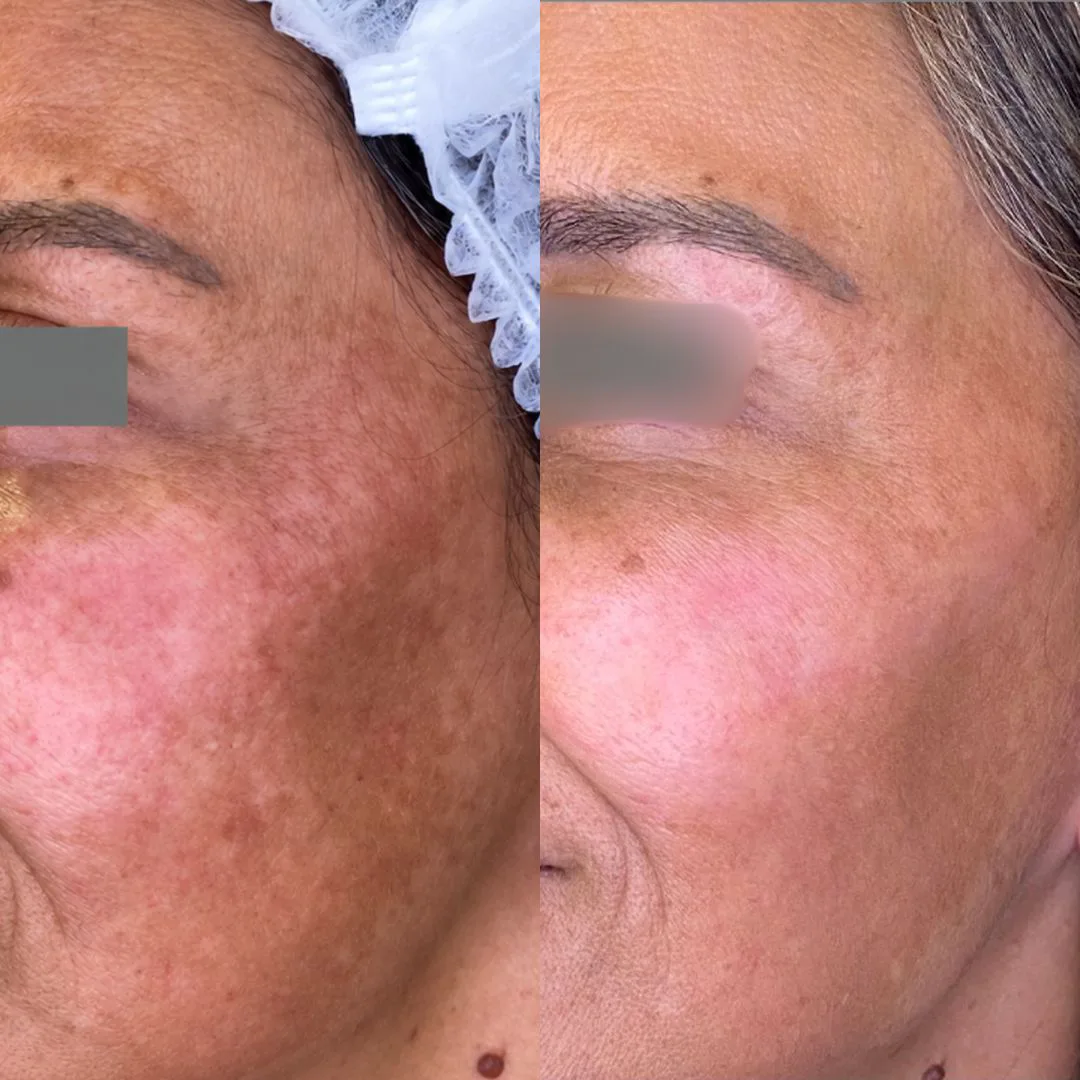
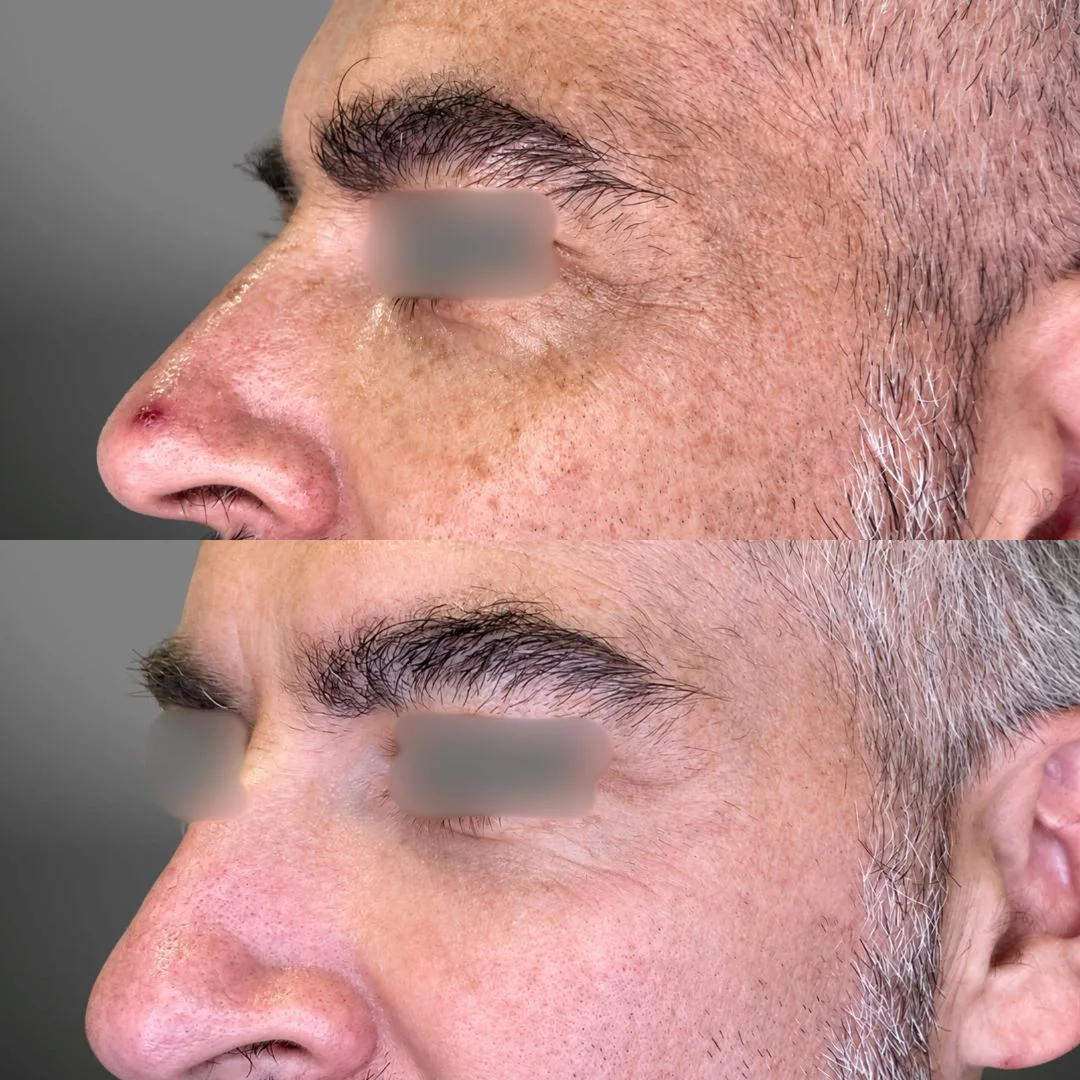
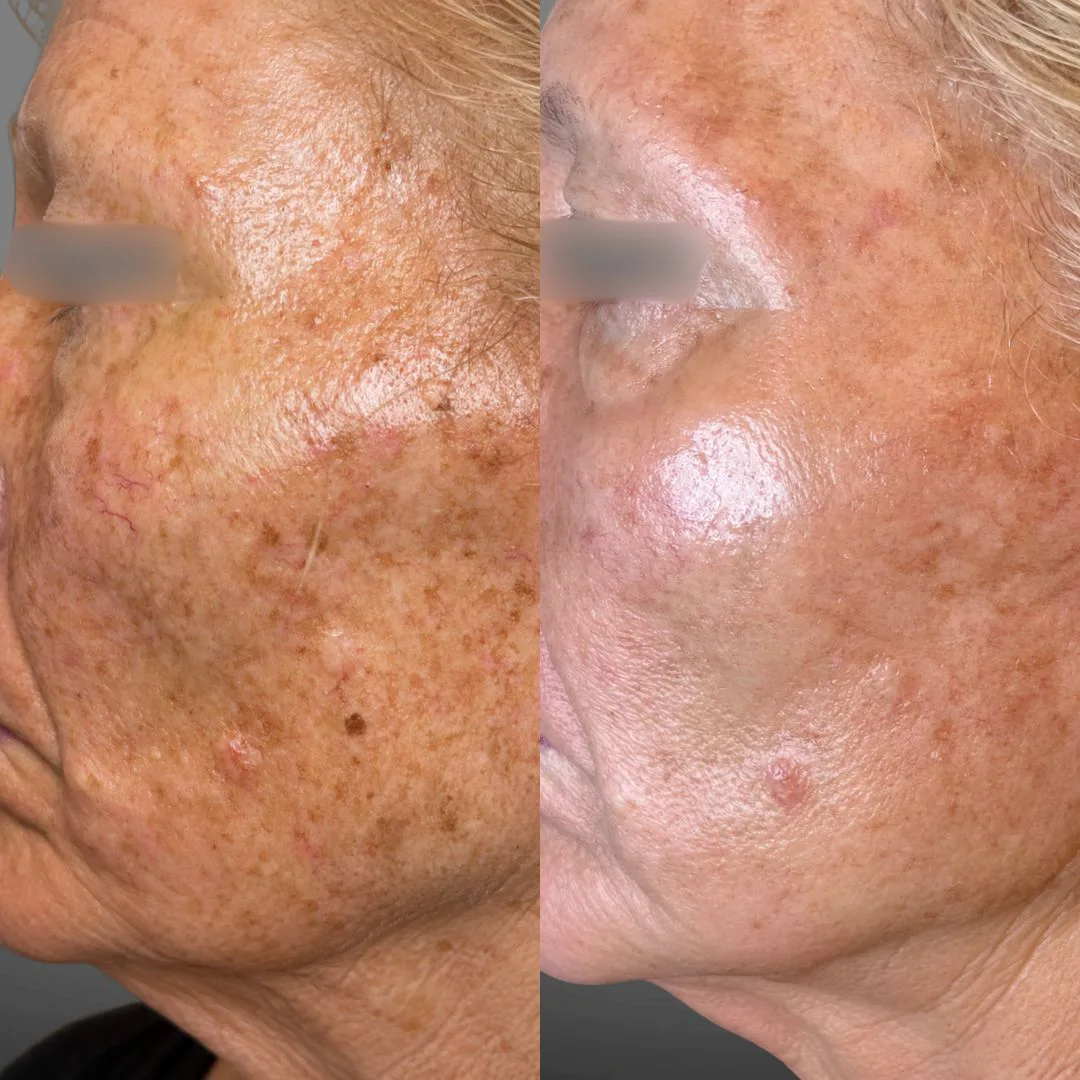
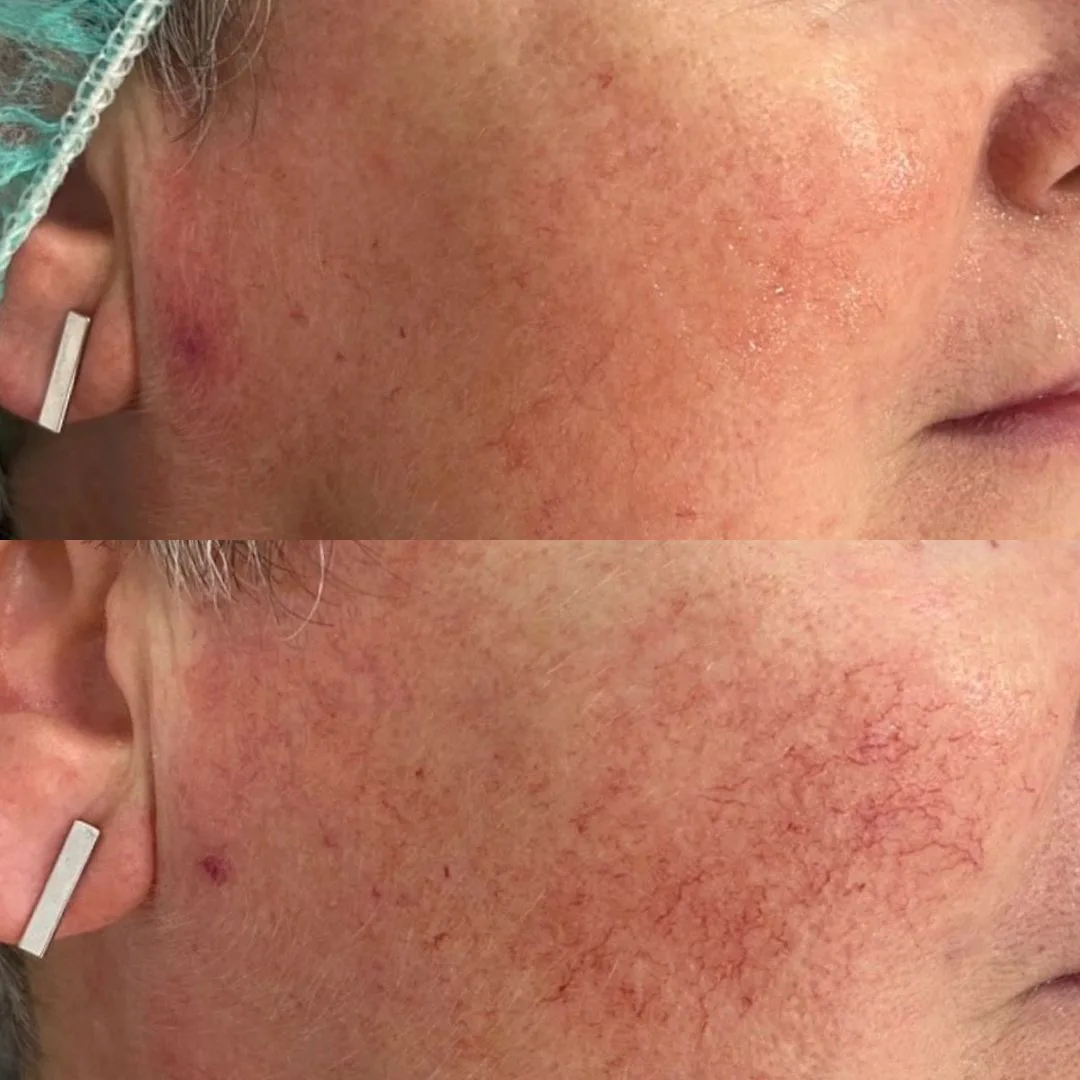
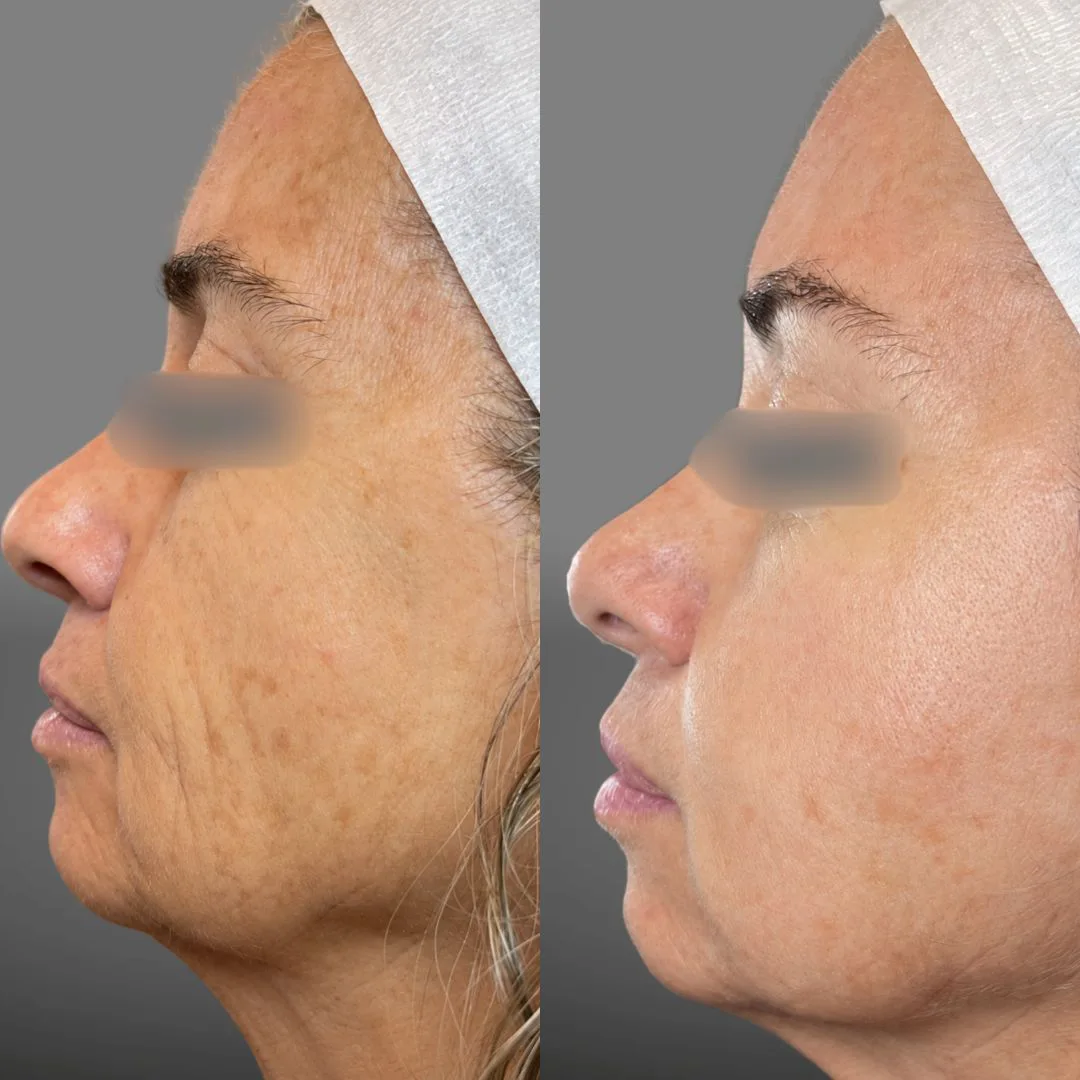
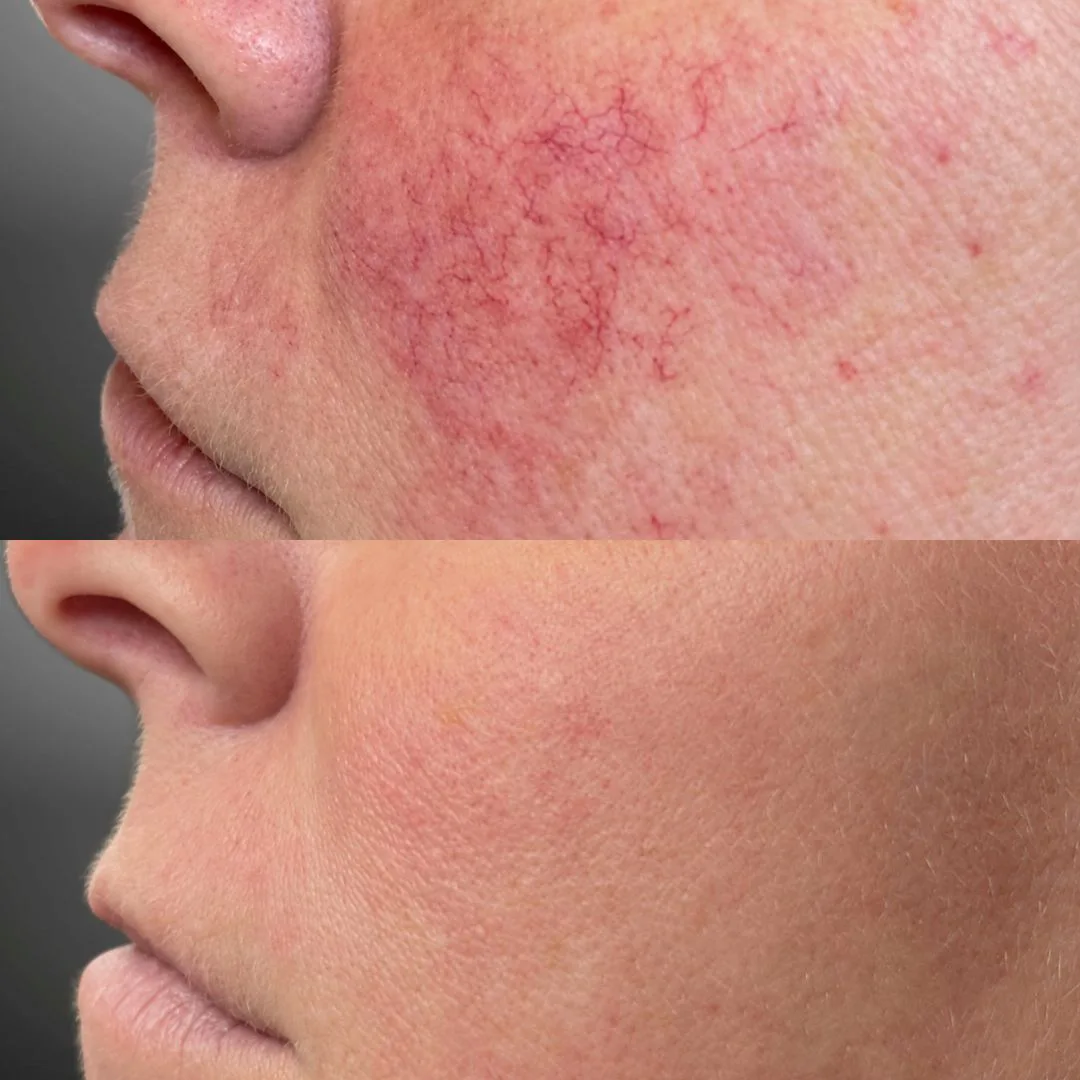
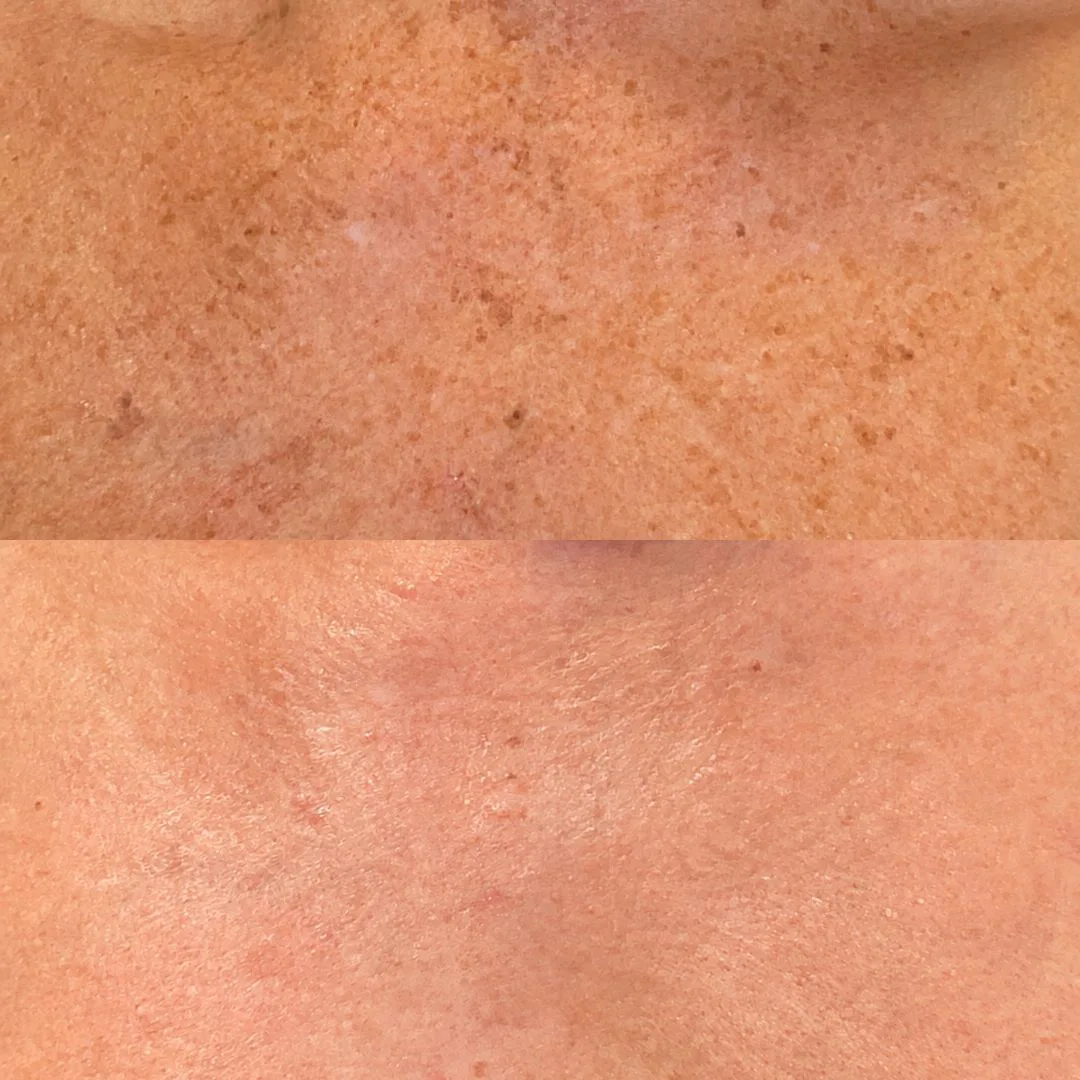
How Does Nordlys® IPL Work?
Nordlys® IPL uses Selective Waveband Technology to deliver filtered pulses of light into the skin. The light is absorbed by targeted pigment or vascular structures, while the surrounding tissue is largely left untreated.
SWT® uses dual filters that remove wavelengths at both ends of the spectrum that are not contributing to the intended treatment. The pulses are delivered in less than a millisecond, allowing energy to be delivered more selectively while limiting unnecessary heat exposure within the skin.
Crystal can also choose different applicators based on whether redness, pigmentation, or both are being addressed. For appropriate patients, more than one applicator may be used during the same appointment.
What Can an IPL Photofacial Treat?
An IPL Photofacial can be used when red or brown discoloration is contributing to uneven-looking skin. Treatment is customized based on skin type, the type of discoloration present, and whether pigmentation, vascular changes, or both are the dominant concern.
Depending on candidacy, IPL may help improve the appearance of:
- Sun spots
- Age-related brown spots
- Selected benign pigmentation
- Uneven skin tone
- Blotchy pigmentation
- Diffuse facial redness
- Visible superficial vessels
- Broken capillaries
- Sun-related discoloration
- Overall uneven-looking complexion
If texture, acne scarring, or deeper skin-quality concerns are more prominent than discoloration, Crystal may instead recommend Fractional Laser Skin Resurfacing or another treatment better suited to those concerns.
IPL Photofacial for Sun Spots and Brown Pigmentation
Sun exposure can contribute to visible brown spots and uneven pigmentation across the face, chest, hands, and other frequently exposed areas. During IPL treatment, light energy is absorbed by melanin within selected areas of unwanted pigmentation.
After treatment, brown spots may temporarily darken over the following one to three days before gradually flaking away over approximately a week. This temporary darkening is part of the expected response and should not be picked or scrubbed.
For patients with a discrete pigmented lesion rather than more diffuse discoloration, Crystal may determine that GentleMax Pro Plus® is a more appropriate option. The goal is to match the technology to the type of pigmentation rather than automatically treating every brown spot with IPL.
IPL Photofacial for Redness and Visible Vessels
IPL can also be used to address selected vascular concerns that contribute to facial redness or a blotchy complexion. Light energy is absorbed by hemoglobin within targeted vessels, allowing visible redness to gradually become less noticeable as the treated structures respond.
Crystal evaluates whether redness is diffuse, associated with visible superficial vessels, or occurring alongside brown pigmentation. This distinction helps determine which Nordlys® applicator and settings are appropriate for treatment.
When both red and brown concerns are present, different applicators may sometimes be used during the same appointment. This allows the treatment plan to address more than one component of uneven skin tone when appropriate.
IPL Photofacial for Uneven Skin Tone
Many patients considering an IPL Photofacial are not concerned with one specific spot or vessel. Instead, they notice that their complexion appears generally uneven, mottled, red, or sun-damaged.
IPL is well suited to this type of broader concern because it can treat multiple areas of selected red and brown discoloration during one session. Over the following weeks, targeted pigmentation and vascular changes gradually become less noticeable as the skin responds.
For patients with a combination of tone, texture, fine lines, or other signs of skin aging, Elle may recommend a more comprehensive Laser Skin Rejuvenation plan incorporating IPL or other technologies based on the concerns present.
What Areas Can Be Treated With IPL?
IPL can be performed on several areas where sun exposure and visible discoloration commonly develop.
Treatment areas may include:
- Face
- Neck
- Chest
- Hands
- Arms
- Shoulders
A full-face treatment typically takes approximately 20 minutes, while appointment length may vary for larger or multiple treatment areas.
Benefits of an IPL Photofacial
An IPL Photofacial provides a customizable option for patients whose primary concerns involve visible changes in skin tone rather than deeper texture or laxity.
Potential benefits include:
- Targets selected red and brown discoloration
- Can address broader areas of uneven tone
- May treat pigmentation and redness during the same appointment
- Minimal interruption to normal activities for many patients
- No needles or incisions
- Typically does not require numbing
- Can be customized using different Nordlys® applicators
- May be incorporated into a broader skin rejuvenation plan
- Can be performed on the face and several body areas
- Maintenance treatments can be incorporated when appropriate
Results and treatment needs vary based on skin type, concern, treatment area, and individual response.
Who Is a Candidate for an IPL Photofacial?
IPL requires appropriate patient selection, particularly because recent sun exposure, skin type, medications, and certain pigment conditions can influence how the skin responds.
Before recommending treatment, Crystal reviews your health history and evaluates factors including recent sun exposure or self-tanner use, photosensitizing medications, melasma, active cold sores, pregnancy, and skin type. A current tan is a reason to postpone treatment rather than proceed with inappropriate settings.
IPL should not be described as appropriate for every skin type or every form of pigmentation. If Crystal determines that melasma, a discrete lesion, texture, or another concern would be better treated using a different technology, she may recommend GentleMax Pro Plus®, Fractional Laser Skin Resurfacing, or another treatment instead.
What to Expect During Your IPL Photofacial
Your appointment begins with a review of your health history and skin. Crystal evaluates the balance of red and brown concerns and determines which applicator and treatment settings are appropriate.
During treatment, both you and the provider wear protective eyewear. A layer of gel is applied to the skin, and Crystal works through the treatment area in sections. Depending on your concerns, more than one applicator may be used during the same session.
Most patients do not require numbing. The sensation is often described as a quick, warm snap, and a full-face treatment takes approximately 20 minutes.
IPL Photofacial Recovery and Aftercare
IPL generally involves relatively little interruption to normal daily activities, although temporary skin changes are expected as targeted pigmentation and vessels respond.
You may experience flushing and mild warmth for several hours after treatment. Brown spots can become darker over the following one to three days and gradually flake away over roughly one week. Treated vessels may fade over approximately one to two weeks. Makeup may typically be applied immediately after treatment.
For the first 24 hours, avoid hot showers, saunas, and strenuous workouts. Do not pick, scrub, or intentionally exfoliate darkened pigment as it begins to flake. Daily broad-spectrum SPF is especially important after IPL because additional sun exposure can contribute to recurrent pigmentation and affect treatment results.
How Many IPL Photofacial Treatments Will I Need?
Treatment needs vary depending on the amount and type of pigmentation or redness present, the areas being treated, and how your skin responds.
Many patients begin with a series of IPL treatments and then incorporate individual maintenance sessions throughout the year when appropriate. Crystal determines the treatment schedule based on your skin rather than automatically recommending the same number of sessions for every patient.
When Will I See IPL Photofacial Results?
Changes occur gradually as targeted pigmentation and vascular concerns respond to treatment. Brown spots may first become darker before flaking away, while redness and visible vessels can become less noticeable over the following days and weeks.
Patients often pursue IPL because they want their skin to appear clearer, brighter, and more even rather than dramatically altered. The degree and timing of improvement vary according to the concerns being treated and the patient’s individual response.
IPL Photofacial vs. Fractional Laser Resurfacing
IPL and fractional laser resurfacing can both improve aspects of sun-damaged skin, but they target different concerns.
An IPL Photofacial is primarily focused on selected red and brown discoloration, including sun-related pigmentation, diffuse redness, and superficial visible vessels.
Fractional Laser Skin Resurfacing works differently by creating microscopic columns of controlled thermal treatment within the skin. It may be more appropriate when acne scarring, rough texture, wrinkles, deeper skin-quality changes, or epidermal resurfacing are the primary goals.
For some appropriate candidates, Crystal may incorporate both technologies into the same overall treatment plan.
IPL Photofacial vs. GentleMax Pro Plus®
Although both treatments can address selected pigmentation and vascular concerns, they use different technologies.
IPL uses filtered pulses of light to treat broader areas of red and brown discoloration. GentleMax Pro Plus® uses specific Alexandrite and Nd:YAG laser wavelengths and may be preferred for certain discrete pigmented lesions, deeper vascular concerns, or other targeted applications.
Crystal determines which option makes the most sense based on the type, depth, distribution, and location of the concern being treated.
Why Choose Elle Medical & Aesthetics for IPL Photofacial in Lafayette, LA?
- IPL is highly dependent on patient selection and treatment settings. At Elle Medical & Aesthetics, Crystal Fontenot, ANP-BC evaluates skin type, current sun exposure, medications, pigment patterns, visible redness, and the patient’s broader health history before determining whether IPL is appropriate.
- Elle also has access to multiple laser and energy-based technologies, so the recommendation does not have to begin and end with IPL. If your concern would be better addressed with GentleMax Pro Plus®, fractional resurfacing, or another treatment, Crystal can adjust the plan accordingly.
- The Nordlys® system also allows her to select different applicators for red and brown concerns and, when appropriate, address both during the same appointment. This keeps treatment focused on the actual changes present in your skin instead of following a one-size-fits-all protocol.
IPL Photofacial Frequently Asked Questions
What is an IPL Photofacial?
An IPL Photofacial is a light-based treatment designed to address selected pigmentation and vascular concerns. The light is absorbed by targets such as melanin in brown spots and hemoglobin in visible vessels, helping improve the appearance of uneven skin tone over time. Elle uses the Nordlys® platform with SWT® for IPL treatments.
Does IPL help with sun spots?
IPL may be appropriate for selected sun-related brown pigmentation and uneven tone. Targeted spots often darken temporarily after treatment before gradually flaking away over approximately one week. Not every brown spot should be treated with IPL, so Crystal evaluates the pigmentation before recommending treatment.
Can IPL help with facial redness?
IPL may help improve selected diffuse redness, broken capillaries, and visible superficial vessels. The treatment approach depends on the type and depth of the vascular concern and the patient's skin type. For more discrete or deeper concerns, another laser technology may be more appropriate.
Does an IPL Photofacial hurt?
Most patients do not require topical numbing for Nordlys® IPL. The treatment sensation is generally brief and may feel like a warm snap against the skin. Comfort varies according to treatment area, settings, and individual sensitivity.
How long does an IPL Photofacial take?
A full-face IPL Photofacial takes approximately 20 minutes according to Elle's treatment protocol. Larger treatment areas or sessions involving multiple areas may take longer.
Can I wear makeup after IPL?
Makeup can generally be applied immediately after treatment according to Elle's protocol. Some temporary flushing or warmth may still be present for several hours.
Is IPL safe for all skin types?
IPL is not automatically appropriate for every skin type. Skin tone, recent sun exposure, pigmentation tendencies, medications, and the type of concern being treated all affect candidacy. Crystal screens these factors before treatment and may recommend postponing IPL or using another technology when appropriate.
How much does an IPL Photofacial cost in Lafayette, LA?
The cost of an IPL Photofacial depends on the treatment area, the concerns being addressed, and the number of sessions included in your personalized treatment plan. Exact pricing is reviewed during your consultation so you know what is recommended before moving forward. Elle Medical & Aesthetics also offers financing options through CareCredit and Cherry for qualified patients.
Refresh Uneven Tone With an IPL Photofacial
If sun spots, redness, visible vessels, or uneven pigmentation are making your complexion look more mottled than you would like, an IPL Photofacial can provide a targeted approach to improving red and brown discoloration. At Elle Medical & Aesthetics, Nordlys® SWT® technology allows treatment to be customized according to the specific changes present in your skin.
Visit Elle Medical & Aesthetics at 626 Verot School Rd, Suite B, Lafayette, LA 70508, call (337) 651-9120, or contact our team to schedule your consultation and learn whether IPL Photofacial treatment is right for you.
Medically reviewed by Crystal Fontenot, ANP-BC on Sep 3, 2026